Driving food system transformation through sustainable farming practices and climate change adaptation. This approach works alongside farmer organizations to strengthen knowledge, market access, participatory assurance systems, and youth engagement in agriculture.
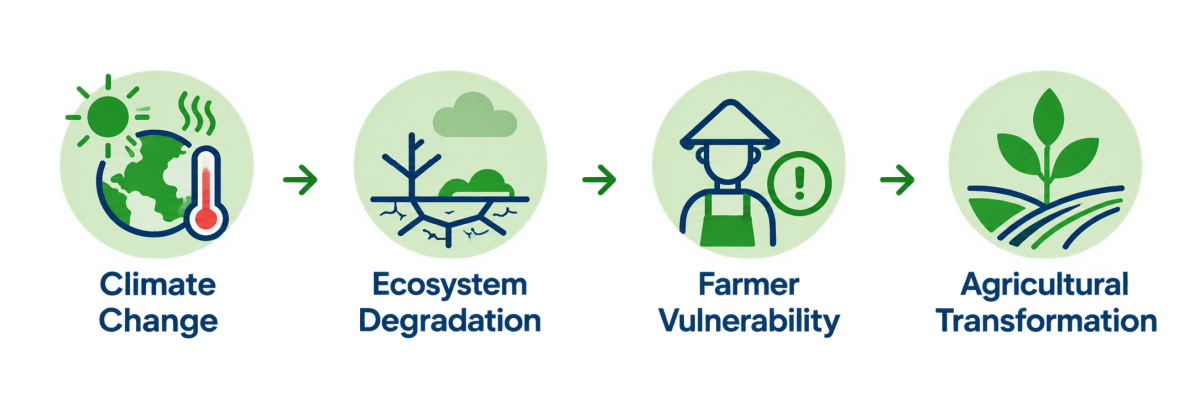
Why Is Food System Transformation Needed?
Our work focuses on three key approaches: promoting sustainable agriculture through climate change adaptation and mitigation, improving market access, and developing young farmer leadership.
From Fields and Markets to the Next Generation of Farmers
Our work focuses on three interconnected approaches: advancing sustainable agriculture through climate adaptation and mitigation, strengthening market access, and developing the leadership of young farmers.
Sustainable Agriculture
Strengthening farming practices that support healthy ecosystems, resilient livelihoods, and climate adaptation.
Market Access
Connecting farmers to markets and opportunities that create stronger and more sustainable livelihoods.
Young Farmers
Supporting young farmers to develop knowledge, leadership, networks, and their role in shaping the future of agriculture.
Learning and Growing Across Three Regions
The program operates in three regions, each with distinct agricultural characteristics, potential, and challenges. Approaches are developed in collaboration with farmer organizations and local stakeholders to ensure that learning and solutions are relevant to each local context.
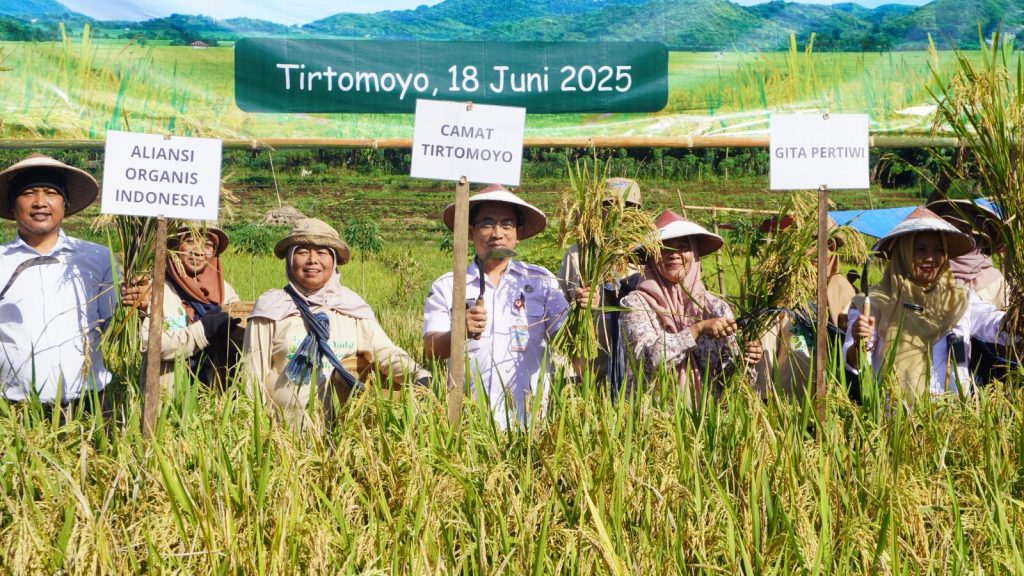
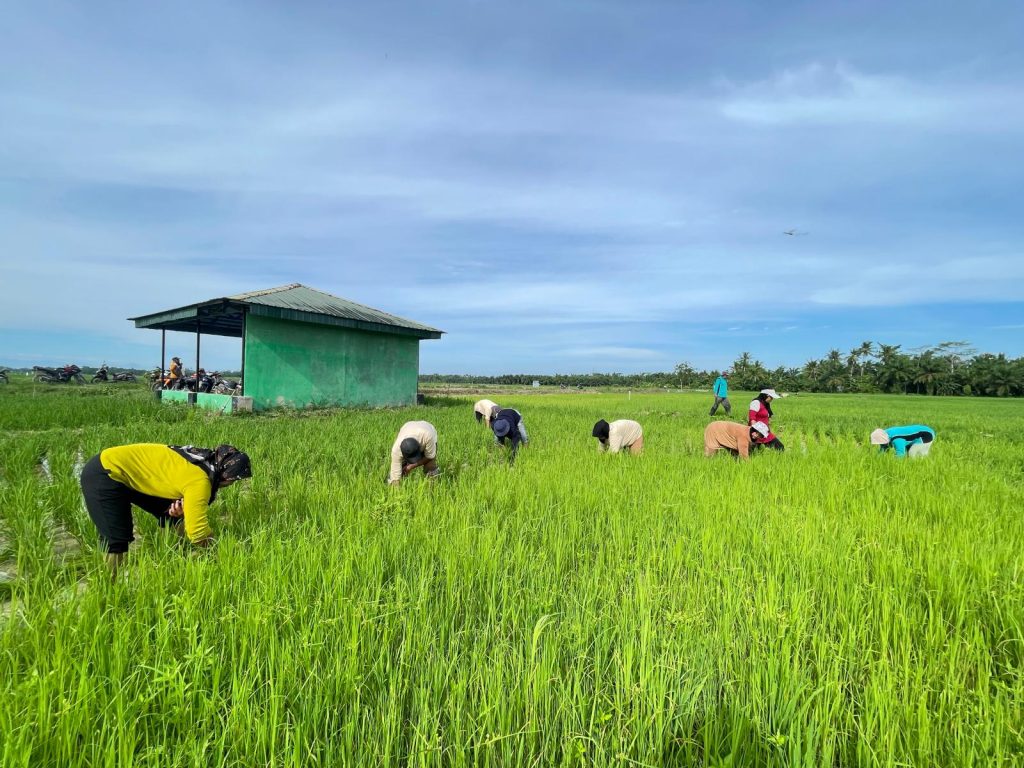
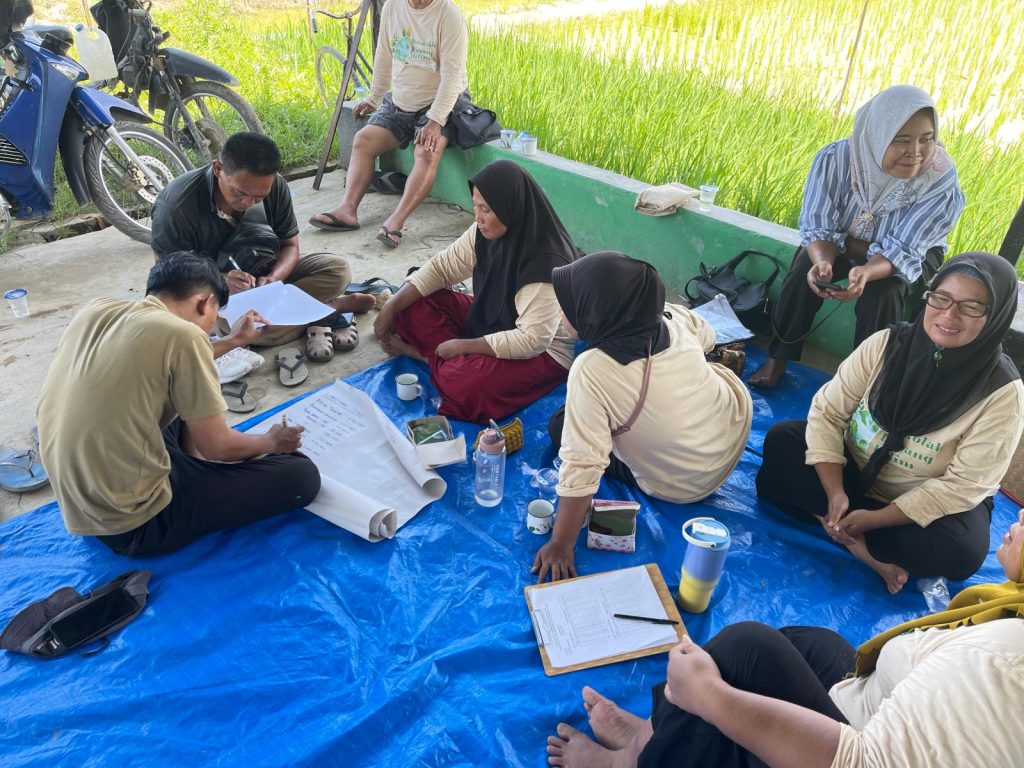
Working with the Lestari Alam Women Farmers Group and the Environmental Farmers Group (PPL) to develop sustainable farming practices for rice production.
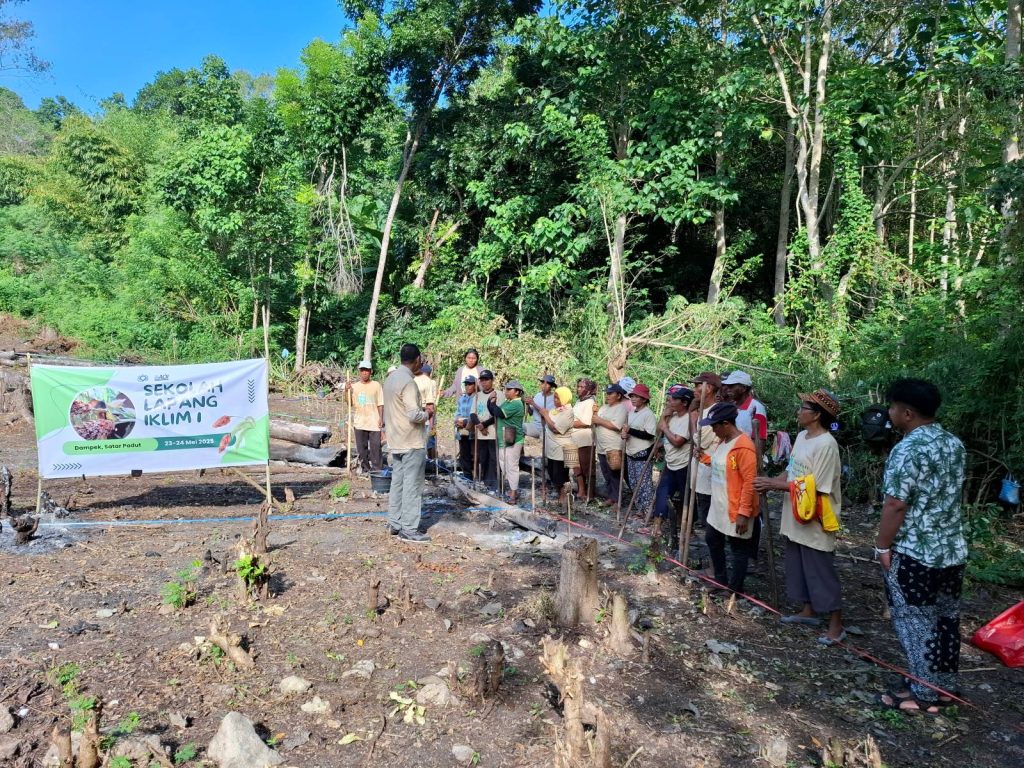
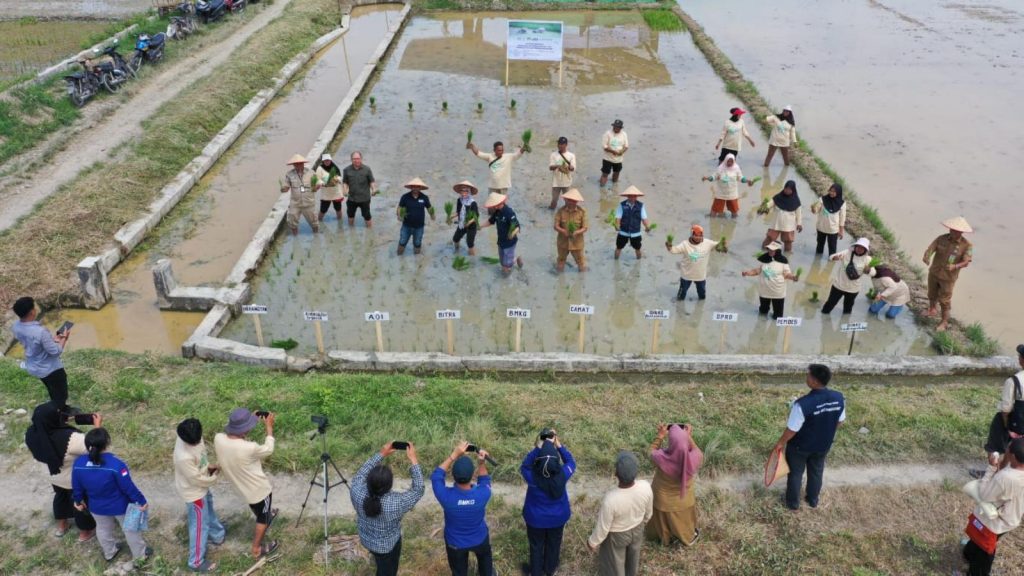
Working with the Agro Lestari and Batang Sirih Farmer Groups to promote sustainable agricultural practices and build climate-resilient farming systems.
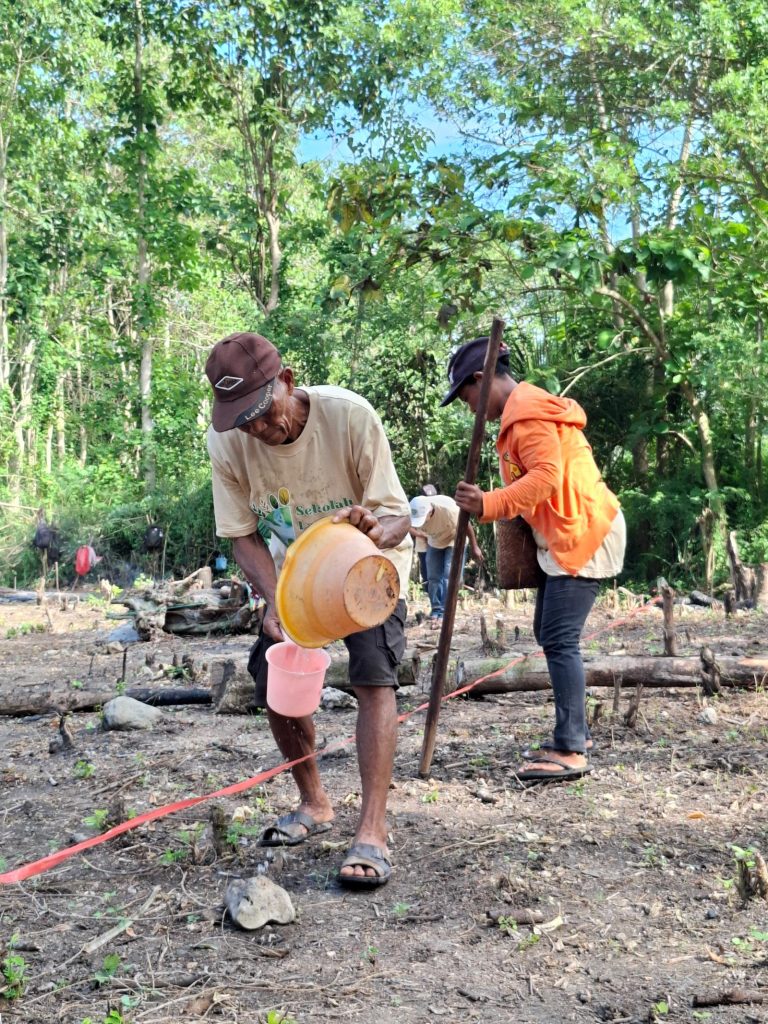
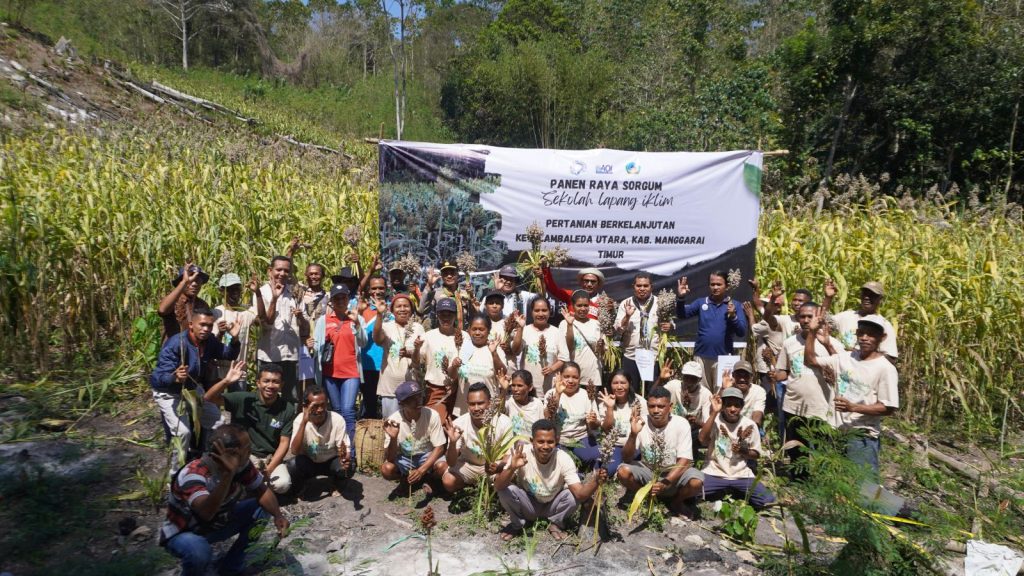
Working with the Maring Woja and Damer Farmer Groups to develop sustainable farming practices suited to local conditions while strengthening farmers’ knowledge, leadership, and networks.
Experiences from the three regions create opportunities for shared learning, advancing sustainable farming practices, expanding knowledge, improving market access, and encouraging more young people to participate in food system transformation.